Camera Shots, Angle, Movement and Composition
Shots- https://www.youtube.com/watch?v=laU2MI6X48I
Establishing Shot- An establishing shot is usually the first shot of a new scene, designed to show the audience where the action is taking place. It is usually a very wide shot or extreme wide shot.
Master Shot- A single uninterrupted shot, usually taken from a long or full shot range, which contains an entire scene.


Close-up Shot- A detailed view of a person or object, usually without much context provided.
Mid-shot- Shows some part of the subject in more detail while still giving an impression of the whole subject.
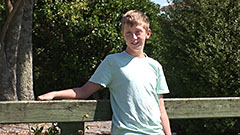

Long Shot- Includes an amount of picture within the frame which roughly corresponds to the audience's view of the area within the proscenium arch of the legitimate theatre.
Wide Shot- A wide shot typically shows the entire object or human figure and is usually intended to place it in some relation to its surroundings.

Two Shot- a cinema or television shot of two people together.


Aerial Shot- A shot taken from a rat, helicopter or a person on top of a building. Not necessarily a moving shot. The main source of light is behind the subject, silhouetting it, and directed toward the camera. A rat is a type of crane used in filming.
Point of View Shot- A point of view shot (also known as POV shot or a subjective camera) is a short film scene that shows what a character (the subject) is looking at (represented through the camera).
An example of a Point of View shot is employed at 2;56 of this clip from Sherlock as he watches John leave the flat.
(insert Andrei's video)
Arc Shot- A shot in which the subject is circled by the camera. Beloved by Brian De Palma, Michael Bay.

Dutch Angle Shot- A shot where the camera is tilted on its side to create a kooky angle. Often used to suggest disorientation.
Editing
https://www.youtube.com/watch?v=F_8EG3693bA

No comments:
Post a Comment